
Bibi Ka Maqbara & Panchakki – Exploring Aurangabad’s Mughal Heritage






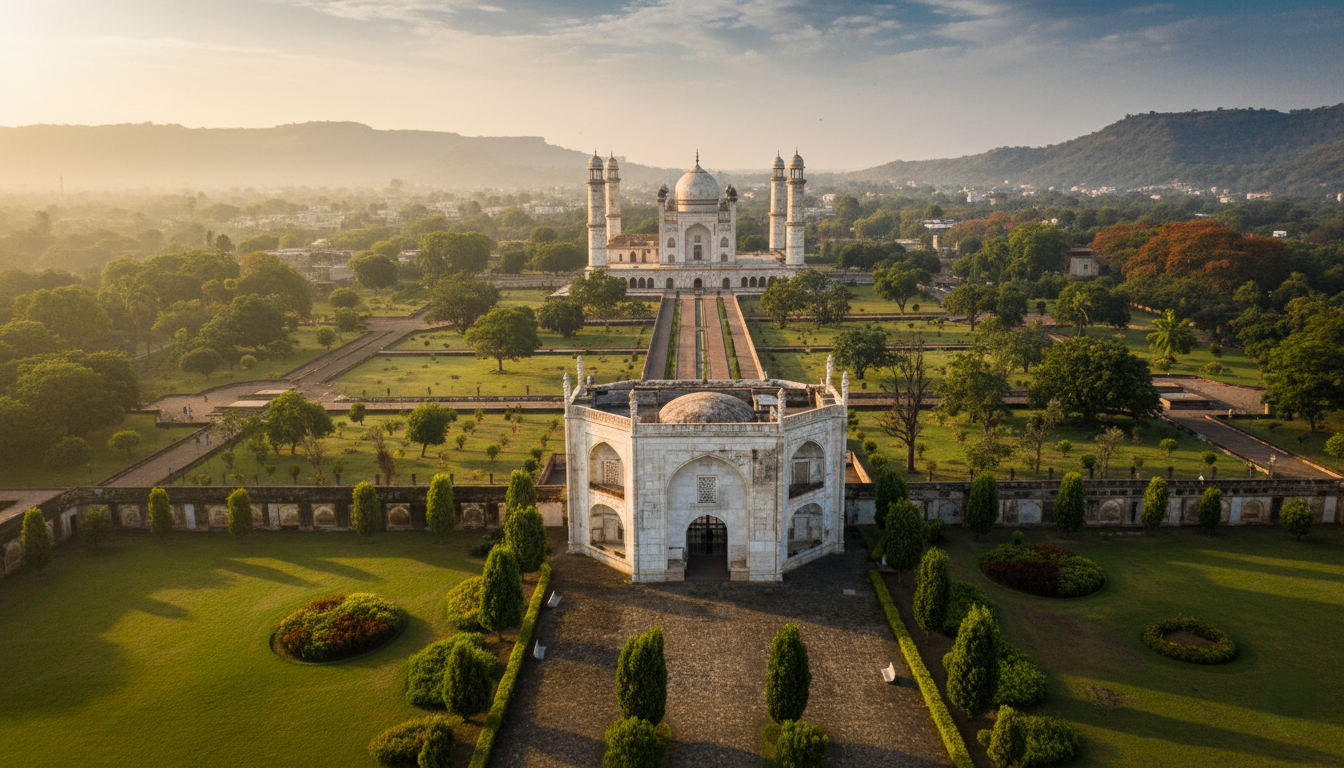
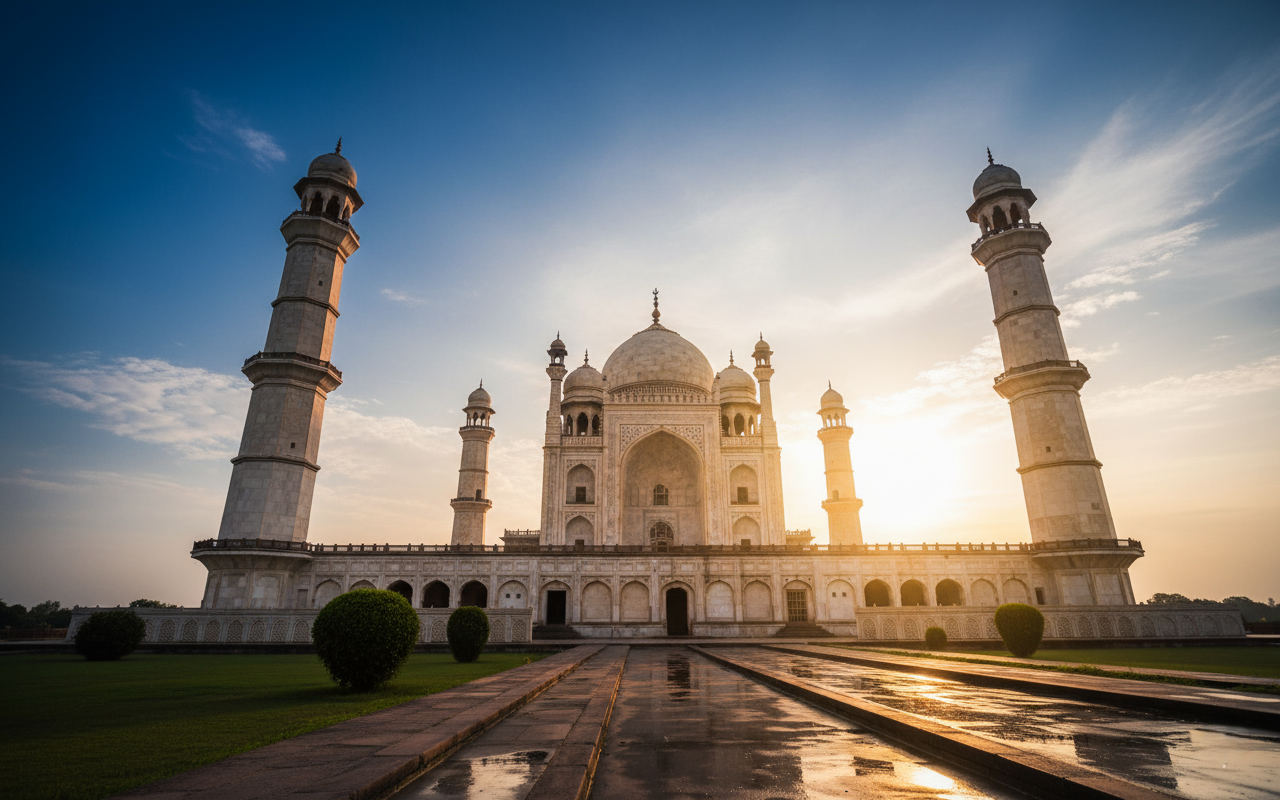
Aurangabad is a city where centuries of history still breathe through its monuments, markets and ancient pathways. Among its many heritage treasures, two iconic Mughal-era structures stand out for their beauty, engineering and cultural significance: Bibi Ka Maqbara and Panchakki. These monuments showcase the artistic mastery and architectural brilliance of medieval India, drawing countless visitors each year.
In this detailed guide, JK Tours & Travels presents a complete look at these two landmarks—their history, architecture, visitor information and travel tips—so you can experience them at their best.
Bibi Ka Maqbara – The Taj of the Deccan
Bibi Ka Maqbara is one of the finest replicas of the Taj Mahal, earning it the popular title “Mini Taj”. Built in 1660 by Prince Azam Shah (son of Aurangzeb), the monument was constructed in memory of his mother, Dilras Banu Begum. Although it may not match the grandeur of the Taj Mahal at Agra, Bibi Ka Maqbara stands as a remarkable example of Mughal aesthetics in the Deccan region.
Architectural Highlights
The structure features:
-
A beautiful central mausoleum built with marble and basalt
-
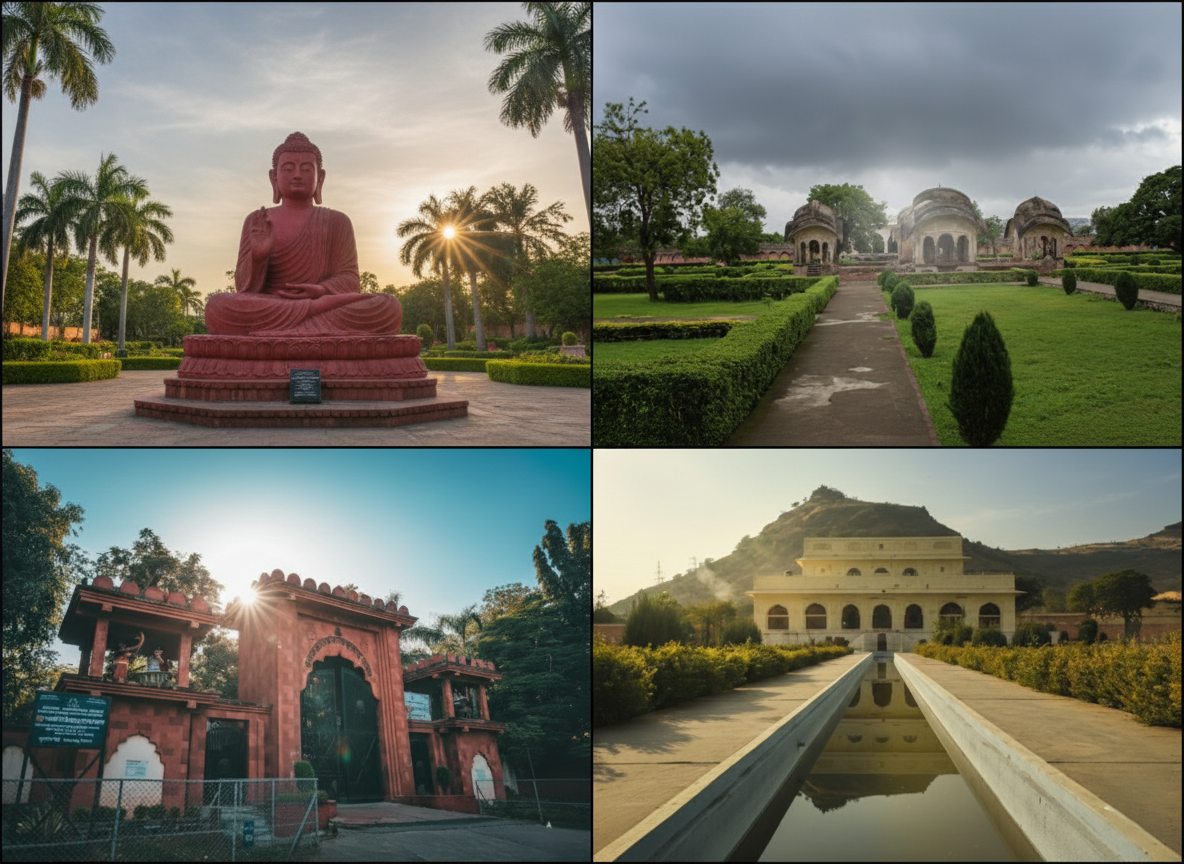
Symmetrical Mughal-style gardens (Charbagh layout)
-
An elegant onion-shaped dome
-
Four minarets surrounding the tomb platform
-
Delicate lattice work and floral designs
-
Long water channels leading to the main mausoleum
The moment you walk through the main gateway, the monument aligns perfectly with the horizon, offering one of the most photogenic views in Aurangabad.
Inside the Mausoleum
The grave of Dilras Banu lies in the crypt below the main chamber. The interior displays:
-
Intricate stucco work
-
Carved floral motifs
-
Mughal arches and decorative pillars
Its peaceful ambiance and architectural symmetry make it a favorite for photographers and visitors seeking calm and cultural depth.
Panchakki – A 17th Century Hydraulic Marvel
Just a few minutes from Bibi Ka Maqbara lies Panchakki—a water mill complex built to demonstrate advanced medieval engineering. Constructed around the early 1600s, it was designed to:
-
Grind grain for the local community
-
Support the dargah complex of Baba Shah Musafir
-
Provide water for gardens and fountains
How the Water System Works
Panchakki’s hydraulic system is one of the most impressive features of medieval engineering:
-
Water is sourced from a spring located several kilometers away.
-
It flows through an underground channel to reach the mill.
-
The pressure of falling water powers a massive grinding wheel.
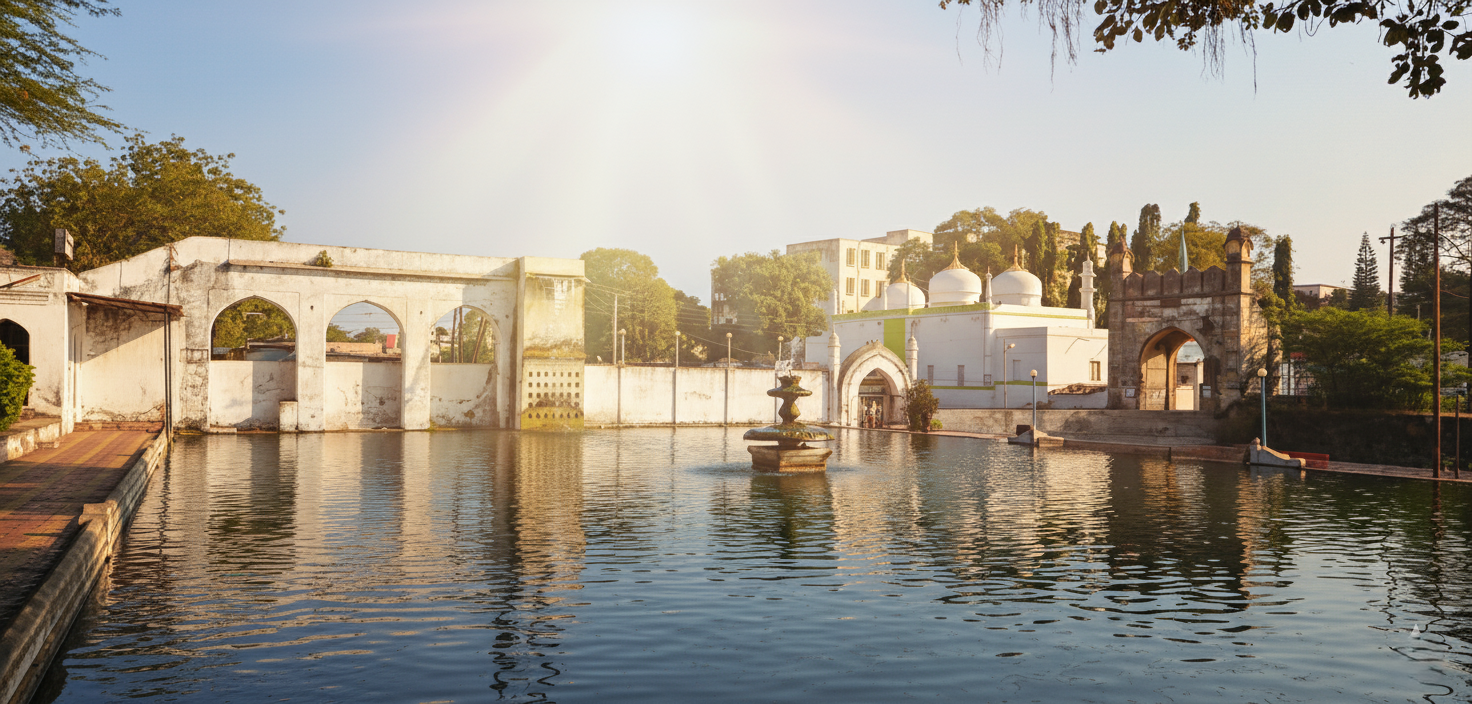
The water tank above Panchakki is peaceful and scenic, surrounded by:
-
A garden
-
Ancient arched corridors
-
The Sufi saint’s resting place
-
A small mosque
The atmosphere makes it a refreshing stop during city sightseeing.
Why These Monuments Matter
Both Bibi Ka Maqbara and Panchakki highlight Aurangabad’s rich Mughal history:
-
Bibi Ka Maqbara reflects the artistic legacy of Mughal royalty.
-
Panchakki showcases the scientific and engineering innovation of the period.
Together, they form an essential part of the city’s heritage trail.
Best Time to Visit
The ideal months are October to February, when the weather is cool and pleasant. Early mornings and evenings offer the best light for photography.
Travel Tips
-
Combine both sites in a single visit—they are close to each other.
-
Wear comfortable shoes; gardens and pathways are spacious.
-
Photography is allowed.
-
Carry water, especially in summer.
-
Prefer mornings or evenings for better lighting and fewer crowds.
Visit With JK Tours & Travels
JK Tours & Travels provides:
-
Reliable AC vehicles
-
Professional, experienced drivers
-
Customizable city tour packages
-
Complete Ajanta–Ellora–Aurangabad trip planning
For bookings:
📞 +91 8888290008
🌐 https://jktoursandtravels.com/news
Whether you’re traveling with family, friends or a group, we ensure safe, smooth and enjoyable journeys with well-maintained vehicles and trusted service.
Conclusion
Bibi Ka Maqbara and Panchakki stand as timeless reminders of the Mughal era’s architectural brilliance and scientific innovation. When visiting Aurangabad, these two landmarks are essential stops that bring history, art and culture together in a truly captivating way.
With JK Tours & Travels, experiencing these wonders becomes even more convenient and memorable.

jktoursandtravels@gmail.com
Related content
Interdum et malesuada fames